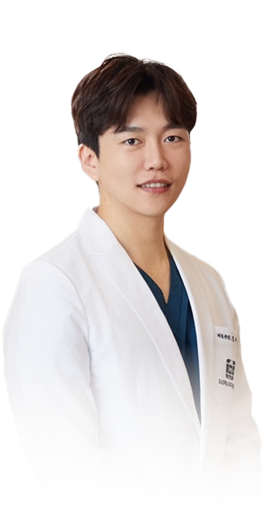
DIRECTOR · INTEGRATED DENTISTRY
Dr. Kim Ji-woong · Chief Director
Completed doctoral coursework at Seoul National University · Integrated Dentistry specialist · Research in pharmacology and systemic disease
View doctor profile →
This is the sedation dentistry guide from 365 Best Dental in Bupyeong. Rather than choosing based only on the idea of “being asleep” or on price, review overall health, current medications, the sedation method, monitoring during treatment and the recovery plan.
Recent reports of deaths associated with sedation-assisted implant procedures have increased patient anxiety. For people with severe dental fear, systemic conditions or lengthy multi-implant procedures, fear and distrust can lead to delaying needed care despite ongoing pain and discomfort.
Why can serious sedation-related incidents still occur even when clinics use terms such as “specialized” or “differentiated”? One concern raised in this context is inadequate attention to pharmacology, patient selection and medication risk when high patient volume is prioritized over individualized safety management.
Sedation care requires practical competence in basics such as establishing IV access when indicated, administering medication appropriately and maintaining continuous monitoring; marketing claims alone do not demonstrate these capabilities.
Patients with systemic conditions such as diabetes may require additional caution in medication selection, dosing and monitoring, making careful pre-treatment assessment especially important. For patients, the practical takeaway is to look beyond low-price promotions and confirm how assessment, medication management, monitoring, recovery and emergency response are actually handled.
365 Best Dental emphasizes a different approach centered on assessment and monitoring. The Chief Director holds a Master of Pharmacy from Seoul National University and has published research and filed domestic/international patents related to pharmacology and biomaterials. He also participated in molecular-medicine and biopharmaceutical research projects led by Korea's Ministry of Education, Science and Technology. His dentist-education lecture “Dental Pharmacology in One Hour” is listed in the clinic's materials as a bestselling lecture on the MoreDen education platform.
His published background also includes clinical research experience involving systemic disease at Seoul National University and transplant-surgery research at Samsung Medical Center, supporting an approach that considers both pharmacology and dentistry when planning care for medically complex patients. He was also specially invited to the Korean medical channel <After the Rain>, led by Drs. Hong Hye-geol and Yeo Esther, to give a medical lecture on diabetes and dental treatment.
In sedation care, a key safety factor is the clinician's pharmacology knowledge and competence in medication administration and management. Patients with systemic conditions such as diabetes may require particularly careful medication planning and monitoring. 365 Best Dental highlights the Chief Director's combined background in pharmacy and dentistry as part of its sedation-care approach.
The clinic's stated position is that sedation should not be recommended routinely or for commercial reasons, and that monitoring and vital-sign assessment must be part of appropriate care. For patients who may need sedation or complex implant treatment but delay care because of fear and anxiety, 365 Best Dental is open 365 days a year. Under the Chief Director's supervision, the clinic emphasizes structured monitoring and careful management throughout treatment.
※ Individual treatment eligibility and sedation methods are determined after medical history review, examinations and an in-person evaluation.
Here are the key practical checks before treatment.
See the separate page on pre-sedation assessment, monitoring, recovery and discharge criteria.
Completed doctoral coursework at Seoul National University · Integrated Dentistry specialist · Research in pharmacology and systemic disease
View doctor profile →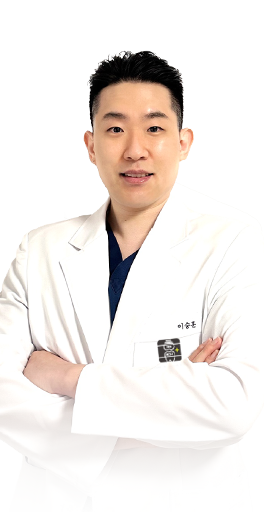
Master's degree, Kyungpook National University · Integrated Dentistry specialist · Complex and sedation-assisted implants
View doctor profile →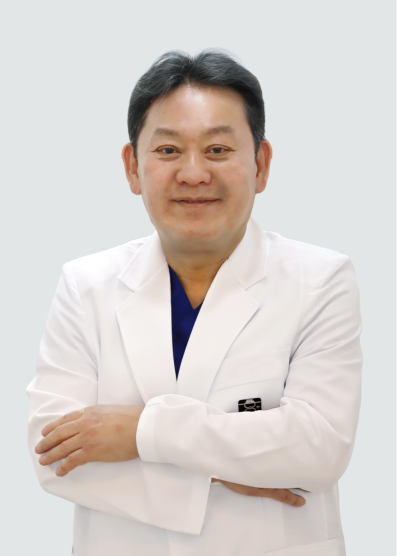
Master's degree, Pusan National University · Oral & Maxillofacial Surgery specialist · Senior director for surgery/anesthesia
View doctor profile →No. Sedation dentistry is intended to reduce anxiety and tension. Unlike general anesthesia, spontaneous breathing and some degree of consciousness are generally maintained. Because consciousness and breathing can vary with sedation depth, continuous clinical observation and management are required.
Dental anxiety can be a reason to consider sedation, but actual use is decided after evaluating overall health, medications, treatment scope and alternatives.
Do not stop medications on your own. Provide an accurate medication list and follow individualized guidance, including coordination with the prescribing clinician if changes are needed.
365 Best Dental Bupyeong Cheongcheon is in Cheongcheon-dong, Bupyeong-gu, Incheon, about a 5-minute walk from Exit 7 of Sangok Station. Whether sedation is appropriate is determined after reviewing medical history, medications and treatment scope in an in-person evaluation.