01 · TEETH
Possibility of preserving natural teeth
We first assess prognosis and whether current teeth can be preserved, then decide on extraction and implants.

This is the implant guide for 365 Best Dental in Bupyeong. Dental implants are one of several options for replacing missing teeth. We plan treatment after evaluating remaining teeth, gum and bone condition, overall health and long-term maintenance.
The American Dental Association also emphasizes comprehensive examination and diagnosis before discussing treatment options for complex care, including implants.
We first assess prognosis and whether current teeth can be preserved, then decide on extraction and implants.
We assess periodontal inflammation, gum condition, and the amount and shape of alveolar bone at the surgical site.
Planning considers not only implant position but also the forces the final restoration will receive.
External sources are for general patient education. Individual eligibility and treatment plans are determined after evaluation.
We determine treatment scope through oral examination and necessary imaging.
We review tooth preservation, extraction, additional procedures and alternative treatments together.
We review overall health, medications, inflammation and bone condition at the surgical site.
Implants are placed according to the diagnosis and treatment plan.
After checking healing, restoration proceeds with consideration of bite and form.
Hygiene and regular checkups are used to monitor tissues around implants.
A separate page explains examination, surgery, restoration and long-term care step by step.
See factors such as bone volume, infection, multi-site treatment and systemic conditions on the dedicated page.
Insufficient bone or proximity to anatomical structures may require additional assessment and procedural planning.
With active inflammation or periodontal disease, long-term health of tissues around implants must also be managed.
Diabetes, hypertension and antithrombotic therapy are assessed based on current control and medication details, not the diagnosis name alone.
A systemic condition does not automatically make implants impossible, nor does it mean treatment is always the same. Recent tests, disease control, medications, periodontal/infection status and surgical scope should be assessed together.
More on implants & systemic conditions →Plaque around implants can lead to soft-tissue inflammation and peri-implant disease. Daily hygiene and regular dental evaluation are important, just as with natural teeth.
External sources are for general patient education. Individual eligibility and treatment plans are determined after evaluation.

Completed doctoral coursework at Seoul National University · Board-certified in Integrated Dentistry · Research in pharmacology and systemic disease
View doctor profile →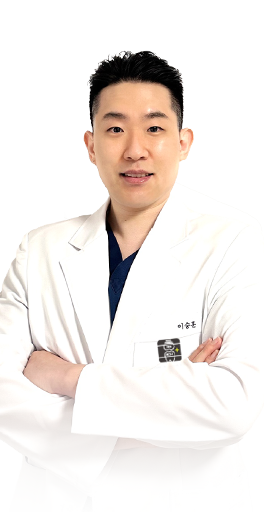
Master's degree, Kyungpook National University · Integrated Dentistry specialist · Complex and sedation-assisted implants
View doctor profile →
Master's degree, Seoul National University · Periodontics qualification · Complex implants and systemic-condition care
View doctor profile →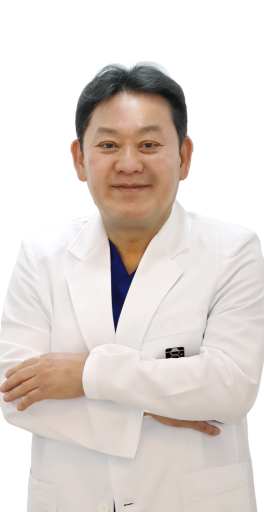
Surgery-focused clinical area
View doctor profile →Not necessarily. Depending on bone and inflammation, placement may be done on the day of extraction or after a healing period.
No. If there is enough bone to support the implant, surgery may be possible without grafting. Bone requirements and anatomy are assessed first.
No. If blood glucose is well controlled and overall health is stable, implant surgery may be possible. Current glucose control, oral inflammation, other conditions and medications should be reviewed together.
Implant longevity varies with bone condition, oral hygiene, periodontal health and maintenance. Consistent care and regular checkups support long-term use.
After diagnosis, discuss whether natural teeth can be preserved and what treatment options are available.